
“The Sacred Practice of Unmasking”

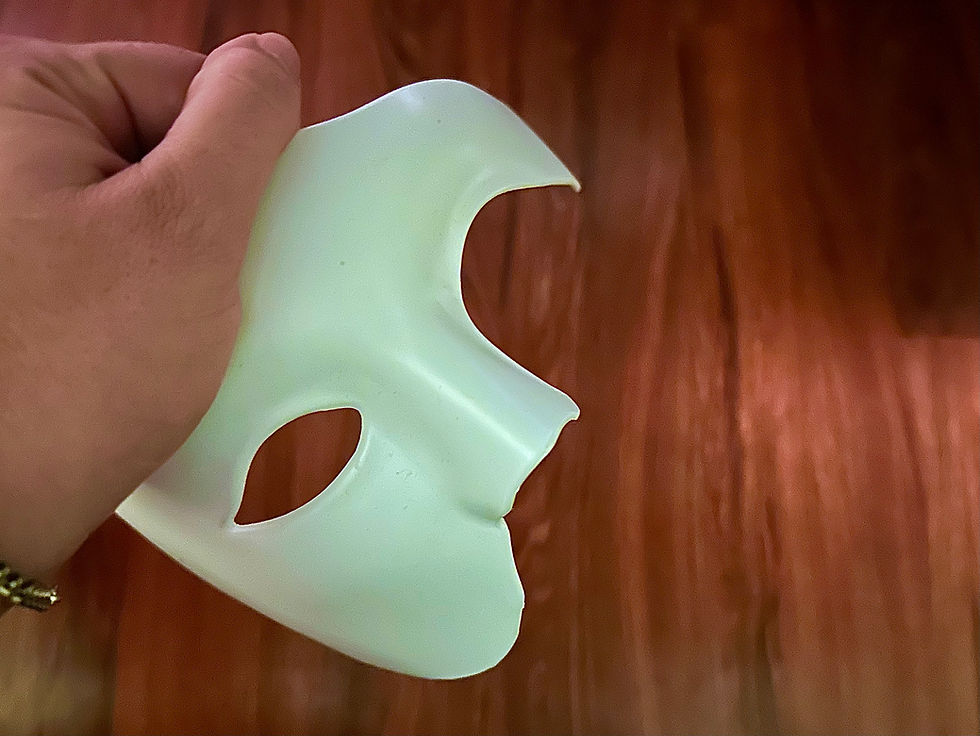
My partner recently began reading a book called Unmasking Autism: Discovering the New Faces of Neurodiversity, by Devon Price. The book explores the realities of many neurodivergent people who often mask their authentic selves to blend into a neurotypical world. It felt timely to unpack this topic here. Halloween is coming up and many people celebrate by donning their own masks to live as someone they are not for a day. For neurodivergent people, masks are worn every day to make it easier to blend into a world that was not made for them to thrive. This past Sunday was Access Sunday in the UCC, and as a designated Accessible to All congregation, Friends Church strives to live into that commitment to be an accessible community. This, of course, does not mean we have arrived at this destination, nor is that the point. There will always be more to learn, and we may not get everything right, but what is necessary is that we are committed to being on this journey together.
During last Sunday’s worship service, I announced a new program that Friends has now joined. Bridges to Belonging is a collaborative effort through Baylor University and Truett Theological Seminary that equips churches with support and resources to grow their communities as spaces where young people with disabilities, mental health challenges, and chronic illnesses can flourish as full, authentic members of their congregations.
There is much work to be done, and so much love to give. One of the areas I’d like to address here is the lived realities of our neurodivergent neighbors. If our experiences are similar, you may have heard the word “autism” used as a pejorative word. I often heard of autism, and other experiences of neurodiversity, as something that rendered a person unable to function in “normal” society, and thus sequestered those who had such diagnoses out of day-to-day public life. What I have since learned is that I have been around neurodiverse people my entire life, many of whom are my closest loved ones. The stigma surrounding neurodiverse labelling has contributed to many people with those lived experiences being denied a proper diagnosis, or avoiding a diagnosis in general, and thus living in an exhaustive state of curating who they are expected to be daily, otherwise known as masking.
As Dr. Price wrote, “though masking is incredibly taxing and causes us a lot of existential turmoil, it’s rewarded and facilitated by neurotypical people. Masking makes Autistic people easier to ‘deal’ with. It renders us compliant and quiet. It also traps us. Once you’ve proven yourself capable of suffering in silence, neurotypical people tend to expect you’ll be able to do it forever, no matter the cost.”
The more neurodiverse people hide their authentic selves, the more we miss out on being a community that is truly a place of belonging. We, as a congregation with a vast array of neurodiverse experiences, do not get to hear their voices, see their struggle, nor recognize our responsibility to do better, to love our people better. Regardless of what we may or may not know about neurodivergent experiences, we have people in our community who live with them. And it is my hope that we can begin to have those conversations, and nurture our spaces, to allow for our neurodivergent neighbors to take their masks off and not be deemed disruptive, overly sensitive, or too much, just beloved. And to not just be wanted, but needed, for all of who they are.


Comments